The Story
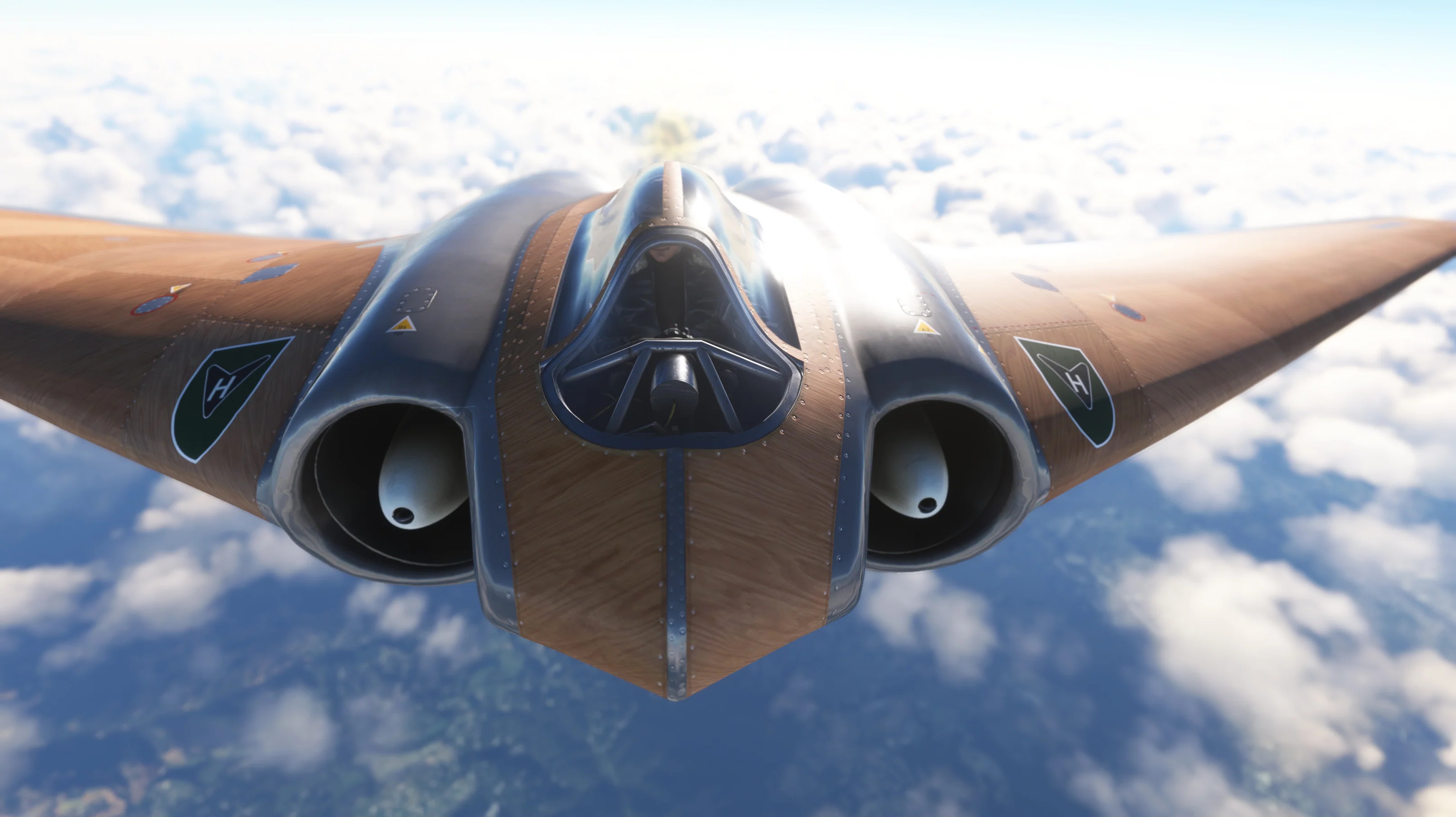
It was very stealthy, due to its low radar cross-section and its use of a special wood-based material called "charcoal mixture" that absorbed radar waves. It was estimated that the Ho 229 would have been invisible to radar at distances greater than 80% of its range.
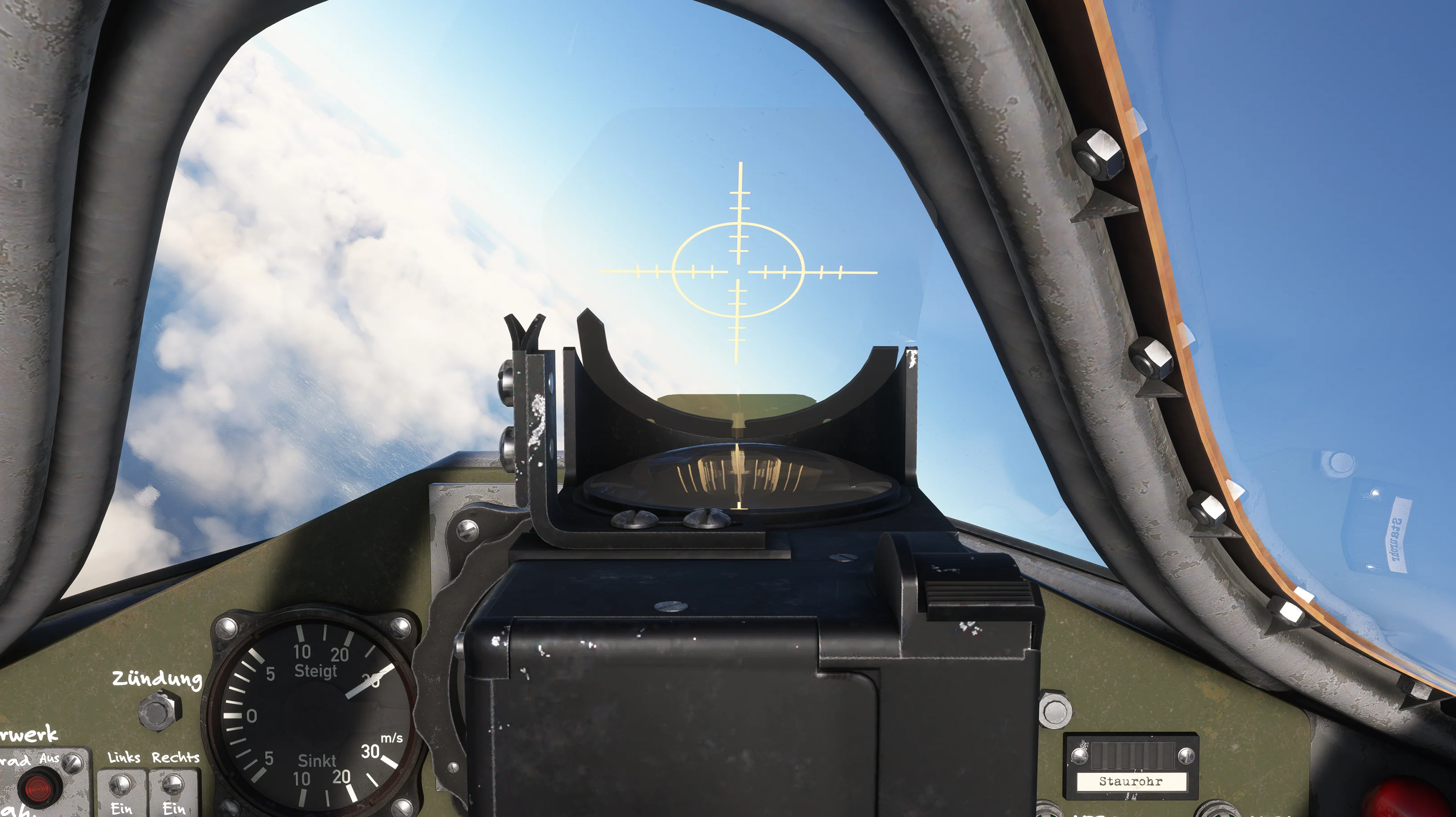
It was very advanced, incorporating features such as an ejection seat, a pressurized cockpit, a tricycle landing gear. It also had a sophisticated weapons system, consisting of two 30 mm cannons and two 500 kg (1,100 lb) bombs.
The Ho 229 was the only design that came close to meeting the "3×1000" requirement issued by Hermann Göring, the head of the Luftwaffe, for a light bomber that could carry 1,000 kg (2,200 lb) of bombs over 1,000 km (620 mi) at 1,000 km/h (620 mph). However, the project faced many challenges and delays, such as the lack of suitable production facilities, the interference of rival companies, the shortage of materials and fuel, and the Allied bombing raids. Only three prototypes were built, and only one of them flew, before the project was captured by the American forces in 1945.
The Ho 229 was a remarkable aircraft that was ahead of its time, and may have influenced many later designs, such as the Northrop B-2 Spirit and the Lockheed F-117 Nighthawk. It is considered by some to be the first true stealth aircraft in history. The only surviving prototype, the Ho 229 V3, is currently on display at the Smithsonian National Air and Space Museum in Washington, D.C

Details & Craftsmanship
Every detail has been carefully considered to bring you the perfect product.

Details & Craftsmanship
Every detail has been carefully considered to bring you the perfect product.

Details & Craftsmanship
Every detail has been carefully considered to bring you the perfect product.

Details & Craftsmanship
Every detail has been carefully considered to bring you the perfect product.

Details & Craftsmanship
Every detail has been carefully considered to bring you the perfect product.

Details & Craftsmanship
Every detail has been carefully considered to bring you the perfect product.

Details & Craftsmanship
Every detail has been carefully considered to bring you the perfect product.
Details & Craftsmanship
Every detail has been carefully considered to bring you the perfect product.

Details & Craftsmanship
Every detail has been carefully considered to bring you the perfect product.
Details & Craftsmanship
Every detail has been carefully considered to bring you the perfect product.

Details & Craftsmanship
Every detail has been carefully considered to bring you the perfect product.

Details & Craftsmanship
Every detail has been carefully considered to bring you the perfect product.

Details & Craftsmanship
Every detail has been carefully considered to bring you the perfect product.

Details & Craftsmanship
Every detail has been carefully considered to bring you the perfect product.

Details & Craftsmanship
Every detail has been carefully considered to bring you the perfect product.

Details & Craftsmanship
Every detail has been carefully considered to bring you the perfect product.

Details & Craftsmanship
Every detail has been carefully considered to bring you the perfect product.
Details & Craftsmanship
Every detail has been carefully considered to bring you the perfect product.

Details & Craftsmanship
Every detail has been carefully considered to bring you the perfect product.

Details & Craftsmanship
Every detail has been carefully considered to bring you the perfect product.

Details & Craftsmanship
Every detail has been carefully considered to bring you the perfect product.

Details & Craftsmanship
Every detail has been carefully considered to bring you the perfect product.

Details & Craftsmanship
Every detail has been carefully considered to bring you the perfect product.

Details & Craftsmanship
Every detail has been carefully considered to bring you the perfect product.

Details & Craftsmanship
Every detail has been carefully considered to bring you the perfect product.

Details & Craftsmanship
Every detail has been carefully considered to bring you the perfect product.

Details & Craftsmanship
Every detail has been carefully considered to bring you the perfect product.

Details & Craftsmanship
Every detail has been carefully considered to bring you the perfect product.
Description
It was very stealthy, due to its low radar cross-section and its use of a special wood-based material called "charcoal mixture" that absorbed radar waves. It was estimated that the Ho 229 would have been invisible to radar at distances greater than 80% of its range.
It was very advanced, incorporating features such as an ejection seat, a pressurized cockpit, a tricycle landing gear. It also had a sophisticated weapons system, consisting of two 30 mm cannons and two 500 kg (1,100 lb) bombs.
The Ho 229 was the only design that came close to meeting the "3×1000" requirement issued by Hermann Göring, the head of the Luftwaffe, for a light bomber that could carry 1,000 kg (2,200 lb) of bombs over 1,000 km (620 mi) at 1,000 km/h (620 mph). However, the project faced many challenges and delays, such as the lack of suitable production facilities, the interference of rival companies, the shortage of materials and fuel, and the Allied bombing raids. Only three prototypes were built, and only one of them flew, before the project was captured by the American forces in 1945.
The Ho 229 was a remarkable aircraft that was ahead of its time, and may have influenced many later designs, such as the Northrop B-2 Spirit and the Lockheed F-117 Nighthawk. It is considered by some to be the first true stealth aircraft in history. The only surviving prototype, the Ho 229 V3, is currently on display at the Smithsonian National Air and Space Museum in Washington, D.C